
Navigating the daily hustle of running a restaurant can often feel like orchestrating a small city. Between managing staff, keeping diners happy, and tracking costs, it is easy to wonder if spinning plates might be an Olympic sport. While great food draws a crowd, seamless operations are what truly keep the lights on. It is not always obvious when older systems start to hold the business back, but some clear clues indicate when it is time to move beyond sticky notes and spreadsheets. Below are five unmistakable warning signs that point directly toward the need for a modern restaurant management platform.
Experiencing frequent order errors and miscommunication?
Mistakes happen in every busy kitchen, but when the wrong dishes arrive at tables regularly or orders disappear altogether, there is usually something deeper going on. Manual or inefficient processes and outdated technology in the kitchen or front of house can seriously undermine communication between servers and chefs. This not only leads to upset customers but also disrupts inventory management and adds stress for the team.
A management platform builds a direct link from the server or terminal to the kitchen display system, reducing reliance on scribbled tickets or memory games. Menu modifications, no onions, sauce on the side are transmitted instantly and accurately. The result is fewer complaints, less wasted food, and a team that trusts the system rather than each other’s handwriting.
Struggling with inconsistent operations and reporting difficulties?
Consistency keeps both regulars and managers satisfied. When locations, shifts, or even individuals handle things differently each day, chaos quickly takes over. Signs of trouble appear as mismatched recipes, fluctuating wait times, or reports that do not match up at the end of the night. Many reporting difficulties come from scattered data and manual entry, making it all too easy for inaccuracies or lost records to slip through.
Relying on paper logs or different software makes running the business harder than necessary. Tasks like tallying sales by hand or using outdated punch cards for attendance take extra time and open the door to mistakes. Sometimes, more energy goes into fixing problems than serving guests, leaving leadership uncertain about the numbers and strategic decisions feeling like guesswork.
Management platforms centralize tasks and standardize workflows so everyone follows the same playbook. Dashboards bring together sales, labor, reservations, and promotions in real time. Suddenly, identifying which dish takes too long or which shift lags becomes simple.
Editing menus should never mean hours spent copy-pasting across screens or hand-editing menu boards. Manual changes invite inconsistencies—one table may see different offerings from another if documents are not synced perfectly.
With a digital restaurant management tool, launching a new menu is just a few clicks away and updates everywhere: POS terminals, websites, and printed versions if needed. Guests enjoy a consistent brand experience, and staff stay informed without confusion or last-minute surprises.
Noticing inventory management problems and payment headaches?
Running out of ingredients at crucial moments is one of the most stressful service nightmares. Conversely, overordering can drain budgets if food spoils before it is used. Both situations often stem from inventory management problems or guessing based on gut feelings instead of real numbers.
Then there are payment and checkout issues. During peak hours, slow checkouts cause impatient customers and frazzled employees. If a register fails or credit card processors falter, the chaos grows, especially without integrated solutions or backup plans.
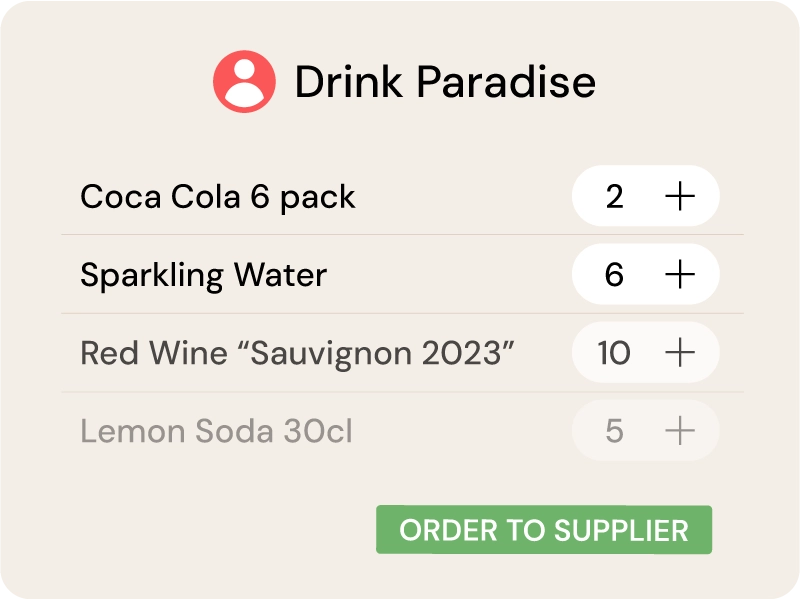
An effective management platform connects directly with sales and stock, so as soon as a plate leaves the kitchen, inventory is updated automatically. Alerts notify managers when supplies run low, allowing restocking before panic sets in. Trends become clear, highlighting best- and worst-sellers, improving forecasting, and cutting waste.
Some common inventory hazards that a platform addresses include:
- Ingredient shortages disrupting service
- Spoilage caused by overstocked perishables
- Difficulty tracking supplier deliveries versus usage
- Inaccurate restocking due to manual counts
Customers today expect fast, secure payments—whether splitting the bill, tapping a phone, or redeeming gift cards. Outdated technology and siloed registers force teams to spend more time processing transactions manually, which slows down turnover and increases error risk. During rush periods, long waits at the counter drive even loyal guests elsewhere.
Modern management platforms support multiple payment options, automated tip calculations, and quick refunds when required. Checkout lines shrink, reviews improve, and accounting hassles fade since receipts and transactions sync automatically with accounting software.
Trouble managing personnel and seeing employee management issues?
Behind every successful restaurant, a strong, happy team brings everything together. When scheduling, attendance tracking, and payroll rely on clipboards or scattered emails, confusion creeps in. Double-booked shifts, missed breaks, and uncertainty around tips all create employee management issues and increase turnover risk.
Handling training, leave requests, or compliance paperwork should not feel like a second job for managers. Mistakes filter down to payroll, making staff feel undervalued. Without a holistic way to track progress and activity, performance evaluation relies on anecdotes rather than facts.
Most management solutions allow managers to build schedules visually, swap shifts easily, and log availability in seconds. Staff receive notifications right to their phones, eliminating the need to chase signatures or dig through email threads. Time tracking links straight to payroll, ending disputes over hours worked or tipping pools.
Here’s how streamlined employee management improves daily life:
- Transparent communication of schedules and changes
- Centralized record-keeping for onboarding and certifications
- Automated reminders for performance reviews or mandatory training
- More accurate, timely pay for every team member
Reducing friction in everyday routines allows employees to focus on delivering outstanding customer service instead of battling paperwork. When expectations are clear and tools support the team, morale rises—and turnover drops, saving money otherwise lost to recruiting and training.
An intuitive, easy-to-use system helps new hires get up to speed faster. Whether it is clocking in, learning recipes, or reviewing policy updates, centralized tools provide instant answers and guidance.
Facing poor customer experience and declining loyalty?
Even the tastiest meals lose appeal if guests encounter long waits, forgotten orders, or frustrating payments. A poor customer experience rarely results from one problem; it is usually the sum of several small mishaps and inefficiencies.
Loyalty fades when diners notice inconsistency: one visit is seamless, the next plagued by missing sides or mysterious charges. If word spreads, attracting new guests becomes even tougher—especially with online reviews amplifying feedback instantly.
Several pain points commonly erode guest satisfaction:
- Long queues caused by manual checkouts
- Delays due to order errors and miscommunication
- Unclear menus or inconsistent pricing
- Limited payment options leading to hassle
Each issue chips away at a guest’s impression, no matter how delicious the entrée may be. Streamlined, tech-enabled interactions encourage repeat visits and genuine recommendations.
Diners benefit immediately from improved accuracy, prompt service, and attentive staff who have more time to engage meaningfully. Access to various payment methods, digital receipts, and consistent menu details builds trust.
Many management platforms include loyalty programs, turning occasional guests into regular advocates with personalized offers, birthday rewards, and easy feedback channels.
The recipe for sustainable restaurant growth
Restaurants succeed when every part of the operation works together—from restocking produce to paying the kitchen crew on time. While busy weekends or growing pains may tempt one to “just keep going,” recurring frustration around orders, payments, or management is a clear call for smarter solutions.

Upgrading to a robust management platform removes barriers that once seemed unavoidable. Instead of patching leaks with workarounds, the entire operation moves forward predictably. Fewer errors, happier teams, and better insights—that is the true flavor of progress in today’s hospitality industry. A platform like Tako won’t fix your POS or your staff schedule, but it does one thing very well: keeping food cost, inventory, and margins accurate automatically — one less thing to run on gut feeling.
Questions people ask about restaurant management platforms
How does a management platform solve manual or inefficient processes?
- Inventory automatically updates after each sale
- Schedules publish instantly to all employees
- Error rates drop due to standardized inputs
Which payment and checkout issues can these platforms address?
- Faster card/tap/mobile payments reduce congestion
- Digital split checks simplify group dining
- Accounting errors decline as transactions sync automatically
Do management platforms help with reporting difficulties?
| Process | With Platform | Without Platform |
|---|---|---|
| Sales Reports | Automatic | Manual, slower |
| Labor Cost Analysis | Real-time | After-the-fact |
| Menu Changes | Instant update | Inconsistent/manual |
Can these platforms improve customer experiences?
- Accurate order taking reduces complaints
- Loyalty rewards encourage repeat business
- Easier resolution of special requests enhances satisfaction