
Few questions ignite as much lively debate in the food industry as, “Can I get an extra slice of cheese?” For restaurant owners, this seemingly harmless request touches on more than just satisfying a craving. That extra slice of cheese sits right at the crossroads of cost per slice, restaurant pricing strategy, and how guests perceive fairness or value. But what is the real story behind that cheesy upgrade, beyond the sticker price? Let us take a fun dive into the world of markup, profit margin, and all those gooey layers to unravel the math (and psychology) hiding in every sandwich.
The true cost per slice: digging beneath the surface
At first glance, figuring out the cost per slice for an extra piece of cheese seems simple. Just look at the supplier’s invoice, divide by the number of slices, and move on. However, this calculation overlooks the hidden expenses and behind-the-scenes decisions that have a real impact on a restaurant’s food cost percentage and overall profitability.
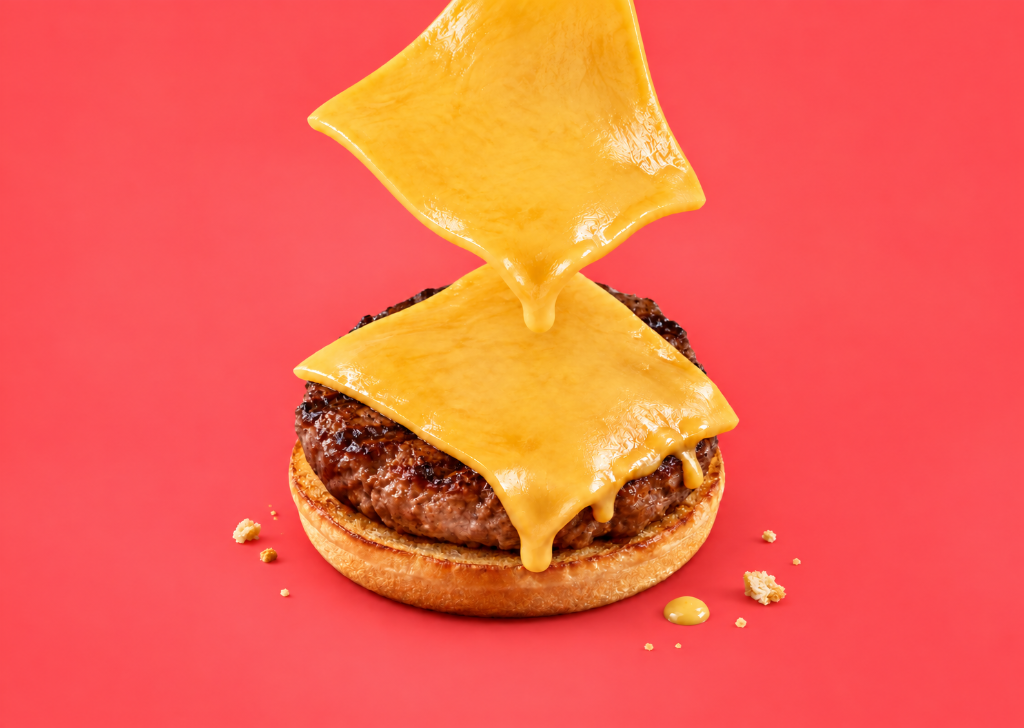
To reveal what the restaurant actually pays for that slice, several factors must come into play: the type of cheese, unique supplier agreements, regional price differences, waste during preparation, and even milk price fluctuations. Seasonality and location also influence the price comparison between, say, cheddar versus American, depending on the region or city.
Supplier cost vs. actual usage
Restaurants might buy cheese in bulk, but not every ounce makes it onto a plate. Slices stick together, tear, or occasionally hit the floor, all realities of kitchen life. This means the theoretical yield from a ten-pound block rarely matches reality, with the actual usable cheese portion size often falling short because of these everyday mishaps.
Add in labor costs and things get even cheesier. Slicing specialty cheeses takes time and skill, which translates into added employee wages. Over hundreds of dishes, these micro-costs snowball quickly. Plus, if staff cut uneven portions, some sandwiches end up with more cheese than others, a sneaky way to throw off food cost percentage without anyone noticing.
Variation in cheese portion size
The cheese portion size affects more than flavor: it transforms the restaurant’s food cost percentage. Thicker slices might thrill guests but can drive up the cost per serving faster than expected. The challenge is ensuring any extra charge for cheese covers both ingredient expense and the overhead absorbed along the way.
Restaurateurs often debate: should each extra slice adhere to a strict weight or simply look generous? While a bigger serving can boost perceived value, accountants notice when those small increases add up over time. Even a tenth of an ounce difference multiplies into significant sums through the year.
Profit margin and the logic behind markup
With notoriously slim margins in the restaurant industry, ingredients like cheese become regular cost drivers. Although some diners believe that charging for an extra slice equals pure profit, most extra charges for cheese reflect much more than the ingredient itself. Each phase, from cold storage to the finished meal, chips away at those cents.
Choosing the right markup or profit margin on cheese extras requires balancing customer satisfaction with economic health. Every area, sometimes even each neighborhood, comes with its own expectations, pushing restaurants to weigh both financial data and local consumer perception of fairness when setting their restaurant pricing strategy.
Determining the markup for cheese add-ons
Many eateries set the extra charge for cheese at two or three times the base cost per slice. For example, if a slice costs 28 cents wholesale, the upcharge could be anything from 50 cents to well over a dollar, depending on the clientele and brand reputation. This markup helps cover all those “invisible” costs, such as labor, spoilage, paperwork, and even napkins given out alongside melted masterpieces.
Context matters: casual spots usually keep markups lower, while upscale venues justify higher fees with premium ambiance and quality claims. Smart operators keep a close eye on food cost percentages to ensure that cheese as a major cost driver never eats into profits as customers pile on the upgrades.
Regional variations and local tastes
Regional price differences only complicate matters. A diner in a dairy-rich state might enjoy an extra slice for pocket change, while a trendy city-center bistro passes steeper supplier costs straight onto guests. Even within the same franchise, suburban and downtown locations may use different restaurant pricing strategies due to varying rent, labor rates, and supply chain quirks.
Local preferences also shape pricing. In regions where adding cheese is almost a given, keeping surcharges reasonable builds loyalty, but can threaten profits if rising costs are ignored. Benchmarking what other local eateries charge for cheese versus no-cheese items keeps pricing competitive and seen as fair in the eyes of guests.
Restaurant pricing strategy: finding balance between cost and perception
Pricing any menu item, especially tiny upgrades, is like solving a puzzle. Get it right, and indulgences turn into reliable revenue. Miss the mark, and those upgrades become money pits hiding in plain sight.
Managing cheese add-ons strategically means building policies based not just on ingredient prices, but also on guest behaviors, market trends, and kitchen realities. Successful operators frequently review sales data, watching for patterns: Are guests hesitating at the upcharge? Does demand jump when specials include discounted upgrades?
Bundling extras and managing food cost percentage
Some restaurants tempt customers with bundles: double cheese at a slight discount or pairing extra toppings with combo meals. If done wisely, bundles increase upsells without scaring off cost-conscious diners. Still, careful monitoring is key so those discounts do not accidentally shrink the overall profit margin.
Keeping the food cost percentage under control for every menu item and upgrade is essential. If left unchecked, small losses can spread rapidly, quicker than melted cheese. Regular inventory checks let managers adjust prices as costs shift, rather than relying on outdated numbers.
Using technology, analytics, and partners to optimize cheese costs
Technology now plays a starring role in tracking ingredient costs. Advanced point-of-sale systems and digitally connected kitchen scales give managers detailed insight into unit-level costs. This visibility is crucial for fine-tuning recipes and preventing cost overruns.
Specialty partners such as Tako Solutions are leading the charge for smarter ingredient management. By connecting supplier invoices, recipe costs, and margins, these solutions spotlight exactly where cost leaks occur. Restaurants using these tools often discover unexpected savings, proving that small tweaks in sourcing or portion control can beef up profitability without sacrificing taste or guest satisfaction.
Consumer perspective: is the extra charge for cheese justified?
So, what goes through a diner’s mind when facing a surcharge for that savory addition? Studies show that consumer perception of fairness hinges on transparency, perceived value, and regional norms. When explained clearly, most guests accept a markup, provided it feels reasonable.
Here, price comparison matters: If an extra slice adds just fifty cents to a $12 burger, few complain. But if the fee approaches half the item’s base price, resistance grows. Complaints rise, reviews mention “greedy surcharges,” and reputational risk inches closer with every dollar added.
Psychology of pricing: feelings vs. facts
While backroom math drives food cost calculations, emotions often call the shots at the counter. No one wants to feel nickel-and-dimed, especially with visible add-ons like cheese. Restaurateurs tread carefully, knowing that a small upcharge signals customization, yet too big a fee can spark backlash.
Feedback loops guide pricing adjustments over time. If social media chatter spikes after a menu change, management can revisit prices to match local perceptions of fairness. Gathering feedback regularly keeps pricing nimble and responsive.
Value proposition: cheese as a major cost driver or loyalty builder?
Despite being a major cost driver, cheese can also serve as a powerful loyalty builder. Generous portions, paired with reasonable surcharges, signal that a business values both guest experience and its bottom line. This balance attracts repeat visits and glowing referrals, benefits often outweighing minor lost margins on occasional add-ons.
Open conversations about why certain upcharges exist, especially when dairy prices surge, go further than secrecy. Guests appreciate honesty about rising costs or improved cheese quality, turning them into advocates rather than critics at checkout.
Frequently asked questions about the actual cost of extra cheese
How is the cost per slice of cheese calculated in a restaurant?
- Bulk purchase price divided by actual yield, not the ideal maximum.
- Losses from slicing mistakes or expired stock.
- Labor costs for prep and safe storage.
Why do restaurants often apply a significant markup/profit margin on extra cheese?
- Ingredient cost
- Labor for slicing and portioning
- Packaging, storage, and possible spoilage
- General overhead like rent, supplies, utilities
Do regional price differences impact the extra charge for cheese?
- Proximity to dairy suppliers
- Local competition and market pricing
- Variations in supply contracts or wholesale rates
Does cheese portion size affect food cost percentage calculations?
| Portion size | Cost per slice | Impact on pricing |
|---|---|---|
| Thin | $0.19 | Easier to keep menu prices low |
| Standard | $0.22 | Moderate cost, typical pricing |
| Thick | $0.30+ | May require higher upcharge |