
Running a busy restaurant kitchen often feels like a juggling act, with expenses coming from every direction. Food cost control software steps in as an indispensable ally, helping owners and managers keep a firm grip on costs while boosting profitability. By integrating essential tools such as real-time price updates, and automated cost calculations, these platforms revolutionize the way professionals manage daily food expenditures.
Gaining insight into how these solutions operate can truly transform operations for anyone aiming to run a smarter, more efficient hospitality business. The right platform does not simply save money—it elevates the entire approach to inventory, recipes, and reporting, paving the way for sustained success in the kitchen.
What is food cost control software?
Food cost control software represents a modern answer to the challenges of expense management, recipe costing, and profit optimization that restaurants face every day. Instead of relying on manual spreadsheets or educated guesses, operators access robust real-time data and analysis that streamline decisions at every level.
Typically, these systems blend multiple modules: inventory management, ingredient tracking, purchase order creation, and seamless sales integration. With all critical numbers visible at a glance, teams can demystify gross margin calculation and make more confident choices about pricing and stock levels.
Core features driving food cost savings
The most effective platforms rely on a collection of core functionalities that automate once-complicated tasks. This allows staff to spend less time buried in paperwork and more time delivering outstanding meals and service.
Ingredient tracking and procurement automation
Reliable ingredient tracking serves as the backbone of any solid cost control strategy. Staff record products as they arrive, noting quantities, brands, vendors, and unit prices. When new shipments come in, the software automatically updates records, ensuring nothing slips through the cracks.
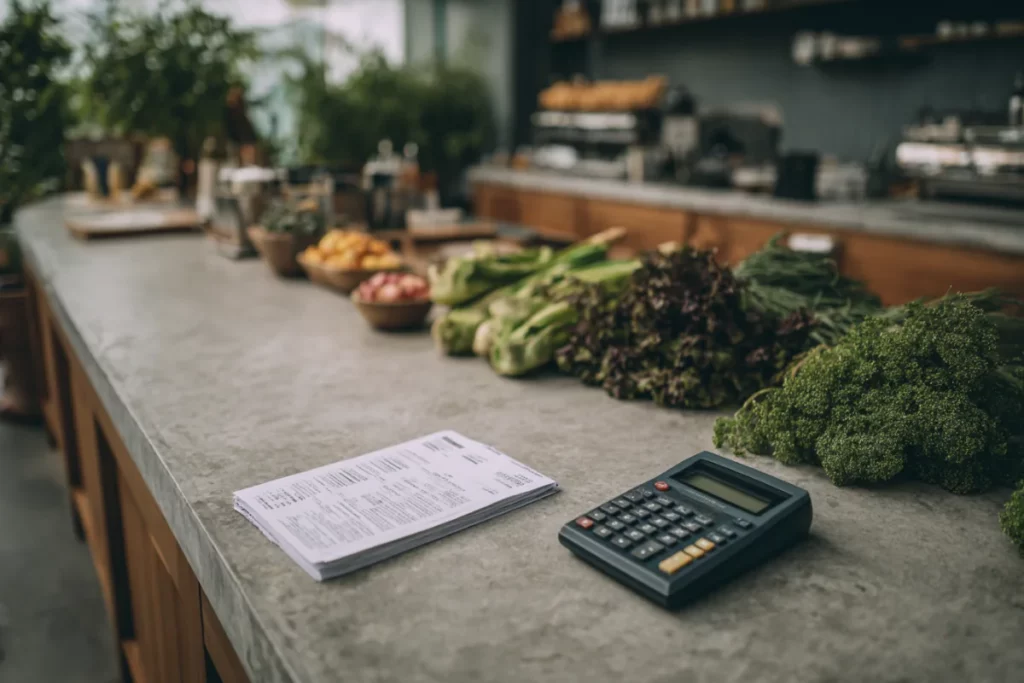
Procurement automation linked to this live database reduces costly errors and helps avoid unnecessary purchases. As soon as supplies dip below a set threshold, reorder suggestions appear based on historical usage and current menu needs. Among these digital tools, some offer specialized food cost control solutions that help streamline ordering and budgeting even further.
Inventory management and loss reduction
Smart inventory management goes a long way toward minimizing waste and saving money. By incorporating barcode scanning, batch rotation, and shelf-life tracking, these systems offer constant visibility over stock levels, expiry dates, and supplier reliability.
This enables staff to quickly spot trends—such as items being used more rapidly than anticipated—or pinpoint sources of shrinkage. Responding swiftly keeps inventory lean without risking out-of-stock issues during peak hours.
Enhanced financial accuracy
With so many moving parts in a commercial kitchen, achieving precise food cost calculation becomes much simpler with specialized software. This enhanced accuracy makes it possible to establish realistic goals, compare forecasts with actual results, and adjust menu prices with confidence.
Recipe costing and menu engineering
Recipe costing is crucial but requires meticulous attention to detail. Software ensures every component—even down to the gram—is tracked in real time. Chefs and managers can edit recipes, switch ingredients, or change yields, with the system instantly updating the cost per serving.
This dynamic setup supports strategic menu engineering, where dishes are created not only for flavor but also for profit margin optimization. Over time, kitchens phase out low-margin or high-cost offerings while promoting top performers identified by the platform’s analytics.
Automated cost calculations and margin tracking
Automated cost calculations do more than accelerate reporting. Instant insights into gross margin calculation and per-plate averages reveal revenue gaps quickly. What once required tedious monthly reconciliations now takes mere moments, highlighting problems before profits erode.
Advanced algorithms update figures as invoice prices shift or special contracts take effect. This ongoing feedback loop lets operators respond nimbly to changes in ingredient availability, inflation, or seasonal shifts in the menu.
Why reporting and analytics matter?
No kitchen can improve its cost structure without timely and actionable information. The reporting and analytics tools built into these platforms illuminate areas where spending strays off course and spotlight opportunities for rapid cost improvements.
Custom dashboards cater to every role: owners track weekly food cost percentages, supervisors see detailed breakdowns of best-selling dishes, supplier comparisons, and variances between projected and actual usage. These data-driven insights turn reactive management into steady, proactive progress.
How real-time price updates optimize expenses?
One of the standout advantages of modern solutions is their ability to provide real-time price updates directly from suppliers. Each time a vendor revises a catalog or price list, the system immediately syncs the latest figures, ensuring budgeting and ordering always align accurately.
This feature drastically cuts down mismatches between expected and actual invoices. Up-to-date pricing means chefs and buyers have a clear view of expenditures, eliminating the need for manual cross-checking and preventing unpleasant billing surprises.
Adding value: what sets some apps apart?
Not all food cost control apps deliver the same experience. Some excel by prioritizing simplicity, mobile accessibility, and integrated analytics. Choosing a solution that streamlines both setup and daily use can make a noticeable difference for busy kitchens.
Applications known for rapid onboarding, intuitive dashboards, and automatic syncing with POS systems give teams the freedom to focus on what matters most. Premium platforms allow for deeper expense control, effortless menu adjustments, and smooth collaboration across departments—even during the busiest rushes.
What makes certain solutions ideal for restaurants?
When evaluating options, not every app offers the streamlined workflow and intuitive interface required in fast-paced environments. Some platforms stand out by providing real-time recommendations for profit margin improvement and sending alerts if costs spike unexpectedly.
Access to detailed historical data empowers operators to forecast future performance more accurately, reducing the impact of seasonal fluctuations or unpredictable supply chain events. Adjustable permissions ensure each team member has the right access, supporting seamless teamwork without compromising sensitive financial controls.
Tako Solutions truly distinguishes itself by acting as a digital financial controller built specifically for restaurateurs, not just another management tool. Unlike traditional systems that shift administrative work onto already stretched teams, Tako Solutions fully automates invoice processing, cost allocation, and price tracking, eliminating manual entry, Excel files, and costly errors. By transforming supplier invoices into structured, real-time financial data, the app gives restaurateurs instant visibility into food, beverage, and non-food costs, supplier price fluctuations, and their direct impact on recipe margins and menu profitability. This unique combination of automation, real-time financial control, and intuitive design delivers immediate time savings and peace of mind, allowing restaurateurs to focus on operations, teams, and guest experience rather than paperwork.
Common questions about food cost control software
Which features should restaurants look for in food cost control software?
- Supplier price fluctuations alerts
- Automated cost calculations for real-time accuracy
- Comprehensive recipe costing functionality
- Integrated reporting and analytics for better decision-making
- Gross margin calculation tools
Choosing software with these features helps restaurants optimize expenses, minimize waste, and maximize profit margins throughout the year.
How does automated food cost calculation improve efficiency?
Automated cost calculations cut out manual entry, reducing human error and speeding up end-of-month reviews. All changes to invoice prices or recipe ingredients reflect instantly, so budget reports are always up to date.
With faster turnaround on key financial metrics, kitchens can react quickly when margins shrink or ingredient costs rise.
What role do reporting and analytics play in restaurant profitability?
Reporting and analytics provide clear visibility of spending, wastage, and which menu items drive the most profit. Real-time dashboards highlight cost-saving opportunities and surface anomalies needing swift action.
| Area | Benefit |
|---|---|
| Weekly reports | Spot cost overruns early |
| Dish analysis | Identify top-grossing recipes |
| Supplier comparison | Select best value sources |
How does real-time price updating benefit restaurant operations?
Live price updates ensure purchase orders match the latest costs, preventing surprises from outdated quotes. Accurate pricing supports prompt menu recalculations and maintains target profit margins even when suppliers increase rates unexpectedly.
- Eliminates billing discrepancies
- Makes budgeting more reliable
- Saves hours on manual reconciliation each month