Every restaurateur aspires to transform hard work and creative flair into healthy profits. Navigating the world of razor-thin restaurant margins requires smart strategies that extend far beyond the kitchen. For those aiming to boost their bottom line, several proven methods can make a real difference without ever compromising the guest experience.
Menu engineering: more than choosing recipes
Thoughtful menu design is so much more than simply listing available dishes. A carefully crafted menu becomes a powerful tool for both menu engineering and driving increased sales. By evaluating each dish for its profitability and popularity, it becomes possible to shift focus toward higher-margin items while still pleasing regular guests. Strategic placement of these star performers often leads to larger average checks.
This approach relies on analyzing data—identifying what sells quickly, which items linger, and how much each offering costs to prepare. Decisions should be informed by numbers just as much as by taste, using menu pricing to reflect ingredient costs, demand trends, and market positioning. Coupled with menu layout optimization, this strategy gently steers diners toward selections that naturally enhance profit margins.
Menu pricing tactics that work
Effective menu pricing means finding the sweet spot between perceived value and actual food and labor costs. Pricing too low might attract crowds but erode profits, while setting prices too high risks alienating loyal patrons. Reviewing local competitors provides insight, yet tailoring prices based on a restaurant’s unique strengths usually delivers better results. Staying aware of fluctuating ingredient costs allows timely price adjustments and helps protect or even grow margin over time. For restaurants wanting to take a proactive approach, solutions like restaurant margin optimization can provide valuable tools and advice tailored to hospitality operations.
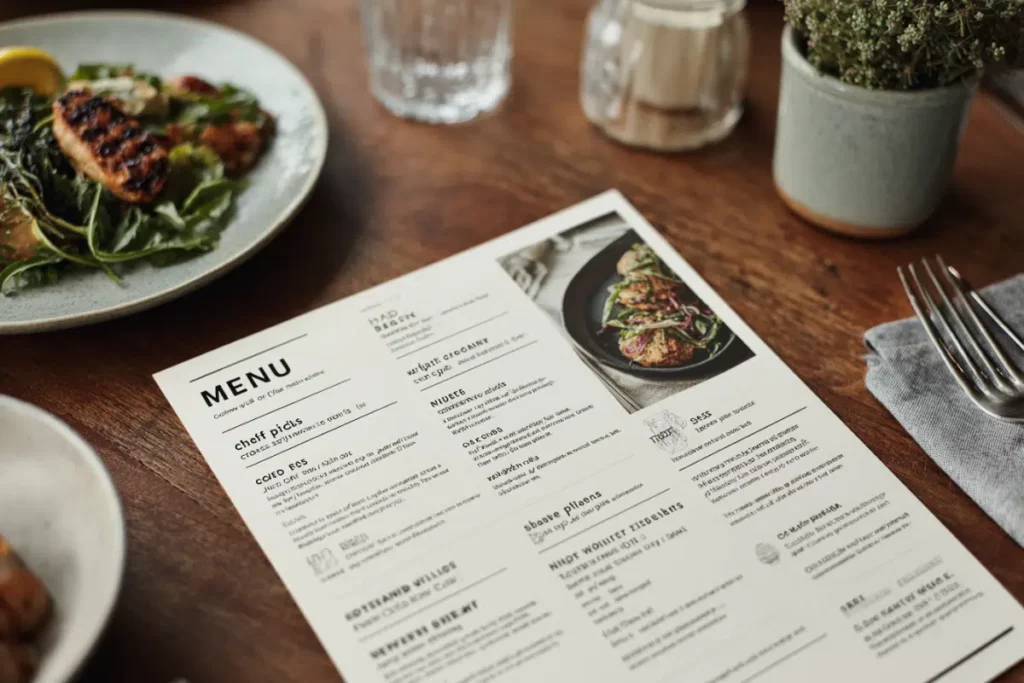
Psychological pricing also plays a role removing currency symbols or avoiding round figures often encourages guests to spend more freely. Placing high-profit dishes at eye level further nudges ordering decisions in the right direction.
Optimizing layout for bigger impact
Simple tweaks to menu layout can significantly influence diner choices. Highlighting profitable specials with boxes or bold fonts draws attention where it matters most. Adding mouthwatering descriptions increases appetite appeal and can result in higher ticket averages.
Sections dedicated to upselling and cross-selling turn menus into dynamic sales tools. Examples include pairing recommendations—like suggesting a signature wine with an entrée—or showcasing indulgent desserts beneath main courses to tempt diners further.
Expense management starts with inventory control
Keeping a close eye on inventory management and minimizing food waste are essential for solid financial health. True inventory control goes beyond simple stock counts; it involves tracking supplies in real time, catching losses early, and adjusting purchasing habits as needs shift. Regular monitoring enables operators to fine-tune orders, cut spoilage, and detect errors or theft before they become costly issues.
Leveraging technology adoption—such as cloud-based inventory platforms—automates tracking and delivers valuable insights into usage patterns or unexpected shrinkage. Access to up-to-date data empowers quick, confident decisions that keep costs under control without risking shortages of key ingredients.
Reducing food waste through smarter processes
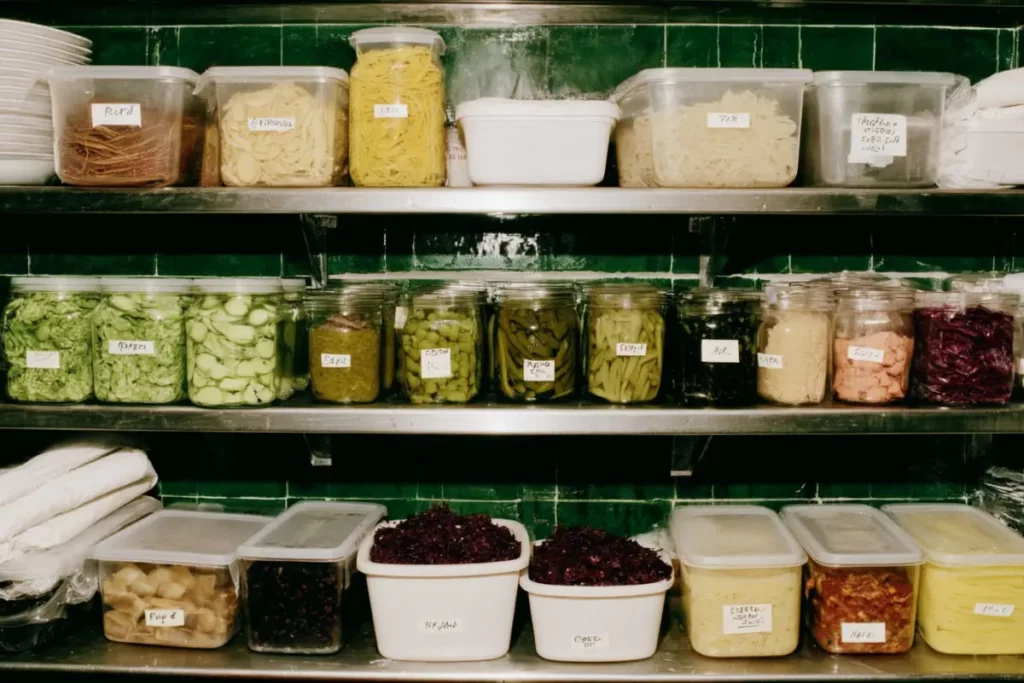
Culinary creativity certainly helps repurpose surplus ingredients, but prevention remains paramount. Establishing standard portion sizes curbs over-serving and directly reduces waste. Training staff to monitor prep levels and store perishables correctly further minimizes unnecessary loss.
Implementing a first-in, first-out (FIFO) inventory system ensures fresher products rotate forward, lowering the risk of unnoticed spoilage. Weekly kitchen audits highlight recurring waste problems, allowing process improvements to address them effectively.
Cost control measures that matter
Labor ranks among the highest expenses in any restaurant operation. Smart scheduling supported by forecasting tools matches staffing levels to projected business, preventing overtime and reducing idle hours. Clearly defined roles and cross-training increase flexibility and overall efficiency during busy shifts.
On the supply side, negotiating long-term contracts or joining group purchasing programs often unlocks lower prices while maintaining quality. Vigilant monitoring of utility bills can reveal hidden energy drains or equipment left running, helping trim non-food-related expenditures even further.
Sales and marketing: increasing revenue per guest
Once operational costs are managed, boosting top-line sales becomes the next lever for maximizing profit margins. Marketing to increase traffic brings new faces through the door, while robust sales training for staff transforms ordinary transactions into memorable experiences that drive repeat visits and higher check averages.
Loyalty programs and rewards initiatives encourage existing customers to return, which is typically far more cost-effective than attracting entirely new diners. Offering easy ways for frequent guests to redeem points or enjoy perks nurtures loyalty and steadily raises average transaction values.
Upselling and cross-selling skills for teams
Teams skilled in upselling and cross-selling consistently outperform those who stick purely to order-taking. Encouraging gentle, well-informed suggestions builds trust and leads to higher tabs without making guests feel pressured. Staff familiar with every aspect of the menu are equipped to recommend appetizers, sides, or beverage pairings that might otherwise go overlooked.
Roleplaying exercises and friendly competitions provide practical opportunities for staff to build confidence with these techniques. Over time, even reserved team members learn subtle ways to guide guests toward more rewarding dining experiences—and stronger sales receipts.
Streamlining operations and adopting new technologies
Smoother service nearly always leads to better guest satisfaction and leaner operating costs. Streamlining operations starts by eliminating inefficient workflows—manual order entry or handwritten tickets often cause mistakes and slowdowns. Implementing affordable point-of-sale systems or table-side tablets accelerates transactions, freeing staff to focus on hospitality rather than paperwork.
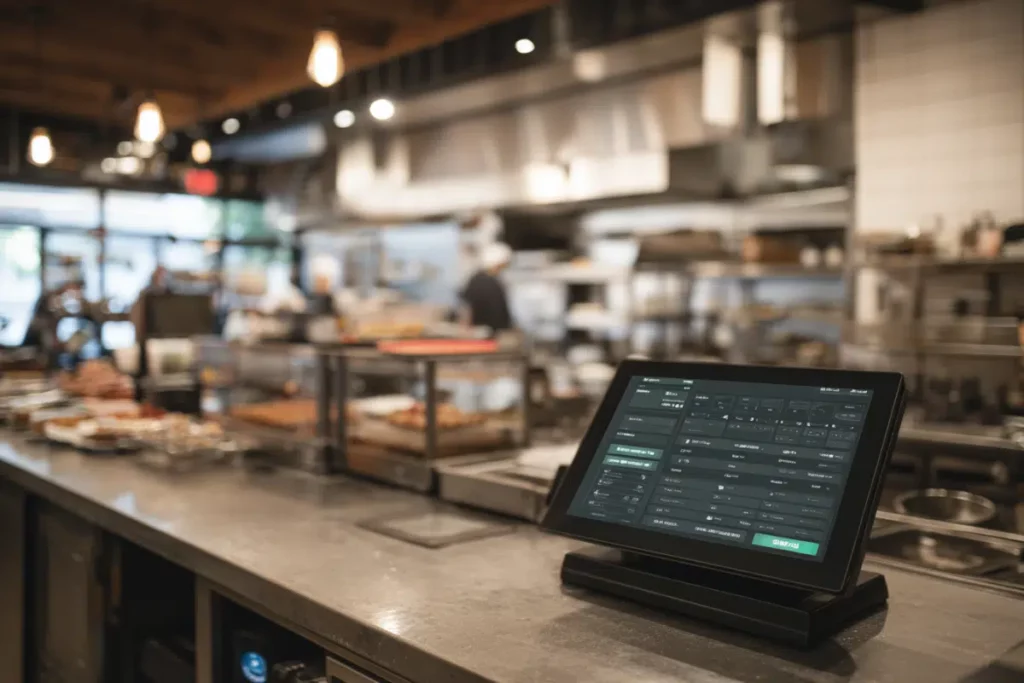
Technology adoption like Tako Solutions extends to the back office as well. Scheduling apps, kitchen display screens, and integrated accounting solutions all save administrative time. These investments pay off quickly through fewer errors, improved forecasting, and easier payroll—each supporting crucial profit margins.
- Schedule weekly inventory audits for tighter controls.
- Review menu performance monthly to identify best-sellers and phase out weak items.
- Develop ongoing sales training focused on upselling and cross-selling techniques for front-of-house teams.
- Experiment with layout optimization to steer guests toward high-margin selections.
- Launch a rewards program tied to new dish launches or slower periods.
- Test new technology solutions annually to uncover emerging savings opportunities.
Common questions about maximizing restaurant profit margins
What menu engineering techniques can quickly boost margins?
- Reorganize the menu layout
- Remove low-performing dishes
- Add category highlights or chef’s picks
Why is inventory management vital for cost control?
- Keeps supply levels aligned with customer demand
- Prevents ingredient spoilage
- Improves vendor relationship negotiations
What role do loyalty programs play in improving margins?
- Offers special deals for frequent visits
- Powers word-of-mouth referrals
- Creates actionable insights into guest preferences
How can technology adoption streamline restaurant operations?
- Speeds up order processing
- Reduces administrative workload
- Allows fast reporting for quicker responses