
Managing a restaurant’s inventory involves more than simply keeping shelves filled. Overlooking crucial details can quietly erode profits, making sustainable growth difficult even for seasoned professionals. Inventory management errors often seem invisible at first—they disrupt daily routines, increase overheads, and ultimately reduce the quality of every dish served. Here is an in-depth look at five common pitfalls that directly affect a restaurant’s bottom line, along with practical suggestions to avoid them.
Why efficient inventory management makes or breaks restaurant margins
Getting inventory management right is essential for controlling food costs, minimizing waste, and ensuring consistent guest experiences. While fresh ingredients and creative menus might make headlines, true profitability is built behind the scenes where every product must be tracked, stored, and used effectively and efficiently.
Losing focus on these day-to-day processes leads to profit leaks. Small lapses, whether from inaccurate data collection or poor decision-making—add up quickly over weeks and months. Identifying where mistakes occur allows businesses to act before minor issues escalate into major problems.
Most damaging inventory mistakes restaurants make
Several recurring issues plague restaurants of all types. Some may appear insignificant at first, but their negative effects build over time, quietly undermining finances and reputation if not addressed. Tackling these missteps delivers measurable improvements in efficiency and profitability.
Poor inventory tracking and inaccurate data
Depending on outdated logs or inconsistent manual entry remains one of the leading causes of lost revenue in hospitality. Poor inventory tracking/logs result in unnecessary stockouts, double ordering, missed theft, and flawed reporting allowing anomalies to go unnoticed week after week. Even modern digital systems fall short if staff skip regular counts or use them inconsistently.
Viewing inventory as static instead of dynamic means missing important trends. Fast-moving items might be overlooked while slow sellers accumulate dust. Accurate, up-to-date records ensure purchasing decisions are based on real patterns rather than guesswork or memory lapses.
Inefficient storage practices and lack of organization
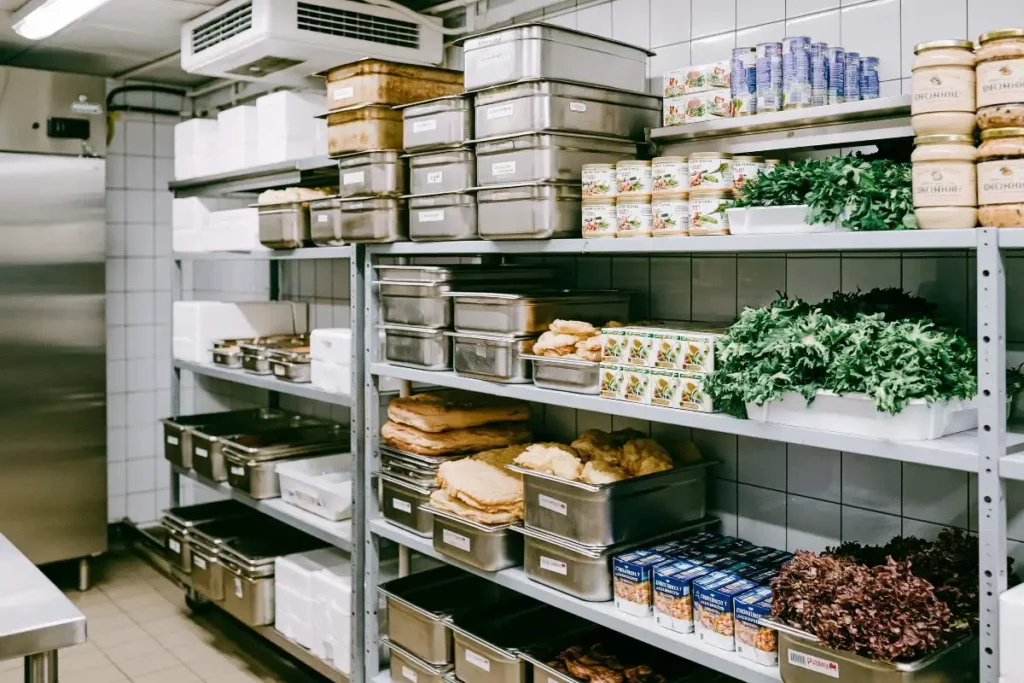
Inefficient storage practices such as cluttered refrigerators, unclear labeling, and overloaded shelves complicate kitchen prep. These habits slow down teams and frequently lead to increased waste and spoilage. Items might get buried behind newer stock or fail to rotate properly, pushing older goods past their safe usage window.
An organized environment with products sorted by category, date, and clear labels keeps everything visible and accessible. Applying best practices like placing high-use items within easy reach and separating allergen-prone ingredients helps minimize accidents and keeps workflows smooth during busy periods.
The risks nobody should ignore: expiry dates and supplier oversight
Two critical blind spots in restaurant operations deserve special attention: failing to forecast demand and neglecting expiry dates/batch tracking. These areas can generate significant losses—not only financially, but also in terms of food safety and customer confidence.
Ignoring expiry dates and batch tracking
Running a kitchen means handling hundreds of perishable products, each with its own shelf life. Ignoring expiry dates or skipping batch tracking can allow unsafe or stale items to end up on plates. Beyond regulatory concerns, this raises the risk of refunds, negative reviews, or health complaints.
Effective batch tracking where every delivery is labeled with arrival and expiry dates offers immediate advantages. It prevents accidentally serving expired goods and provides traceability if a supplier recalls specific batches, enabling quick removal of affected products.
Not monitoring suppliers and orders closely enough
Long-standing vendor relationships sometimes lead to complacency. Failing to monitor deliveries against purchase orders, or ignoring how substitutions affect menu pricing, opens the door to costly errors or intentional shortfalls. Not monitoring suppliers is especially risky when prices fluctuate or product quality slips unexpectedly.
A proactive approach includes reconciling each delivery, logging discrepancies immediately, and regularly reviewing supplier performance. This strengthens risk control, ensures accurate billing, and enhances bargaining power during negotiations.
Forecasting and shrinkage: predicting what gets used and lost
One of the biggest inefficiencies stems from errors in forecasting demand and underestimating losses due to theft and loss. Both issues arise from failing to analyze historic usage data and overlooking loss prevention strategies.
Failing to forecast demand accurately
Over-ordering creates excess waste and spoilage, particularly for perishables with short shelf lives. Under-ordering, on the other hand, results in missed sales and dissatisfied guests when favorites run out. Treating inventory as static forces managers to rely on guesses rather than evolving consumption data.
Consistent analysis of sales trends—including consideration of seasonality, holidays, and local events—yields more reliable forecasts. Combining historical numbers with insights from front-of-house staff pinpoints which items are likely to spike or dip, supporting smarter purchasing choices.
Overlooking waste, spoilage, and sources of shrinkage
No restaurant is immune to losses from damaged goods, spills, mistakes, or theft. Yet only those that actively track waste and spoilage spot underlying problems early. Logging every incident highlights recurring issues with packaging, receiving processes, or even dishonest behavior among staff.
Solutions go beyond discipline; investing in security, streamlining process flows, and updating staff training encourages everyone to participate in reducing shrinkage. Preventing unnecessary loss directly boosts profit margins without sacrificing speed or quality.
Improving accuracy and accountability in inventory routines
No single fix eliminates every inventory challenge. Instead, gradual improvements in several key areas drive meaningful progress. Fostering habits of transparency, teamwork, and ongoing measurement builds a culture where errors and waste are detected and corrected quickly.
- Regular cycle counting to stay ahead of discrepancies
- Clear documentation and communication of new procedures
- Automated alerts for low-stock or expired items
- Designated staff roles for checks and balances
- Frequent cross-checks between POS sales and physical stock counts
Even small changes, such as color-coded bins or digitized receipts, can streamline daily operations. In a competitive market, shaving just a few percentage points off monthly waste totals frees up cash for reinvestment and innovation elsewhere.
How Tako Solutions Fixes These Inventory Blind Spots
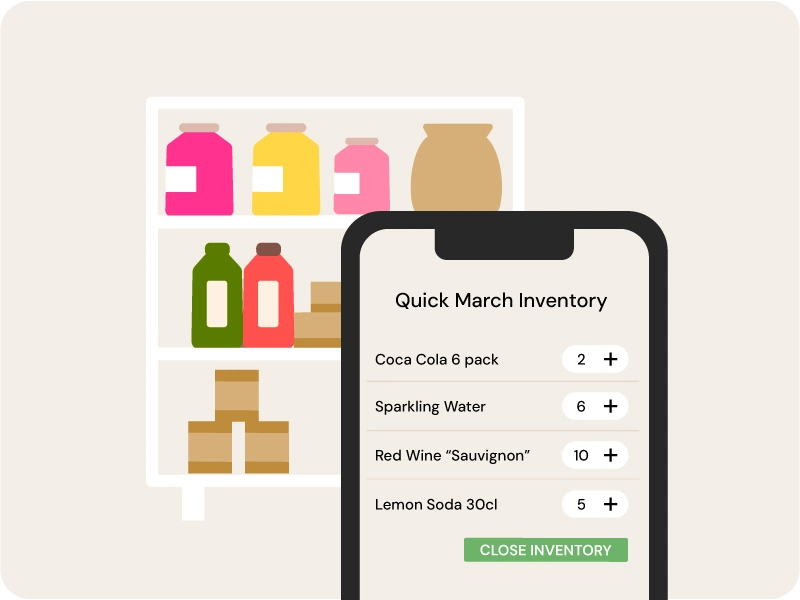
Every pitfall above shares the same root cause: restaurants running on gut feeling instead of real numbers. Tako Solutions tackles this by turning stocktaking into a five-minute habit instead of a dreaded chore. Its Quick Count feature applies the 80/20 rule, reading 60 days of purchase history to isolate the handful of products that drive 80% of spend, so weekly counts take minutes instead of an hour and a half.
Because the product catalogue is built automatically from supplier invoices, there’s no manual setup slowing teams down, which solves the “inconsistent tracking” problem at its source. Closed sessions produce a dated, signed stock valuation ready for the books, eliminating the spreadsheet scramble at month end. And because counts sync automatically with purchasing and food cost, unexplained variances between sessions surface immediately, flagging over-pouring, spoilage, or shrinkage before they quietly eat into margin. The result: a system simple enough that staff actually keep using it, which is the only way an inventory routine ever pays off.
Frequently asked questions about restaurant inventory pitfalls
What are the signs of poor inventory tracking/logs in a restaurant?
Signs of poor inventory tracking/logs include frequent stockouts of popular items, unexplained shortages, mismatches between recorded and actual inventory, and rising food costs without corresponding sales increases. Staff complaints about missing products or confusion during service shifts are also strong indicators of tracking problems.
- Inventory reports showing large week-to-week variances
- Manual logs with crossed-out or incomplete entries
- Vague descriptions or unclear count methods
How can inefficient storage practices cause waste and spoilage?
Inefficient storage practices such as disorganized fridges or pantries make it hard to track expiration dates and batch numbers, resulting in forgotten or misplaced products. A poor layout slows down daily work and can lead to accidental cross-contamination or improper stock rotation.
- Expired items accumulating behind newer purchases
- Lack of consistent labeling and shelving
- Extra cleaning and maintenance required
Why does ignoring supplier performance contribute to inventory management errors?
Without active oversight, not monitoring suppliers may lead to incorrect quantities or substituted products, disrupting cost calculations and menu consistency. Ignoring invoices or order weights enables honest mistakes—or even deliberate shortfalls—to persist unchecked.
- Mismatched orders compared to initial requests
- Quality inconsistency impacting finished dishes
- Slower problem resolution due to incomplete documentation
| Action | Benefit |
|---|---|
| Invoice matching | Reduces overpayment risk |
| Supplier scorecards | Highlights reliable partners |
How can a restaurant owner prevent theft and loss in inventory?
Combining secure storage, surveillance, and transparent logbooks discourages both internal and external theft and loss. Regular inventory checks by different team members help detect irregularities sooner, while smart technology can automate alerts for suspicious activity.
- Install cameras in high-risk locations
- Restrict access to costly or regulated items
- Cross-reference POS data, delivery logs, and physical counts weekly