Running a restaurant involves much more than just serving delicious food; it requires careful cost control, team motivation, and keeping guests returning time after time. As 2026 approaches, the competition continues to intensify, but certain proven strategies consistently help restaurants improve their bottom line. Focusing on smarter management and embracing innovation is what will set successful establishments apart when aiming to increase profit margins.
Sharpening menu engineering for better results
Menu engineering often gets less attention than it deserves, even though it directly shapes profitability. By organizing dishes according to both popularity and margin, restaurants can gently guide guests toward higher-profit items without sacrificing guest satisfaction. Placing top-margin options in key spots whether on printed menus or digital boards can subtly influence ordering decisions.
When teams regularly analyze menu performance data, they uncover surprising trends: sometimes a highly profitable appetizer is buried, while a low-margin entrée gets prime placement. Swapping out underperforming dishes and introducing appealing new choices keeps things interesting and boosts average check sizes. Training servers in suggestive selling also turns the menu into an active driver of revenue growth.
Implementing dynamic pricing strategies
Effective pricing strategies are crucial for improving profit margins. Rather than simply raising prices across the board, understanding which dishes have room for adjustment allows owners to make informed changes. This requires close monitoring of ingredient costs and competitor pricing to remain competitive.
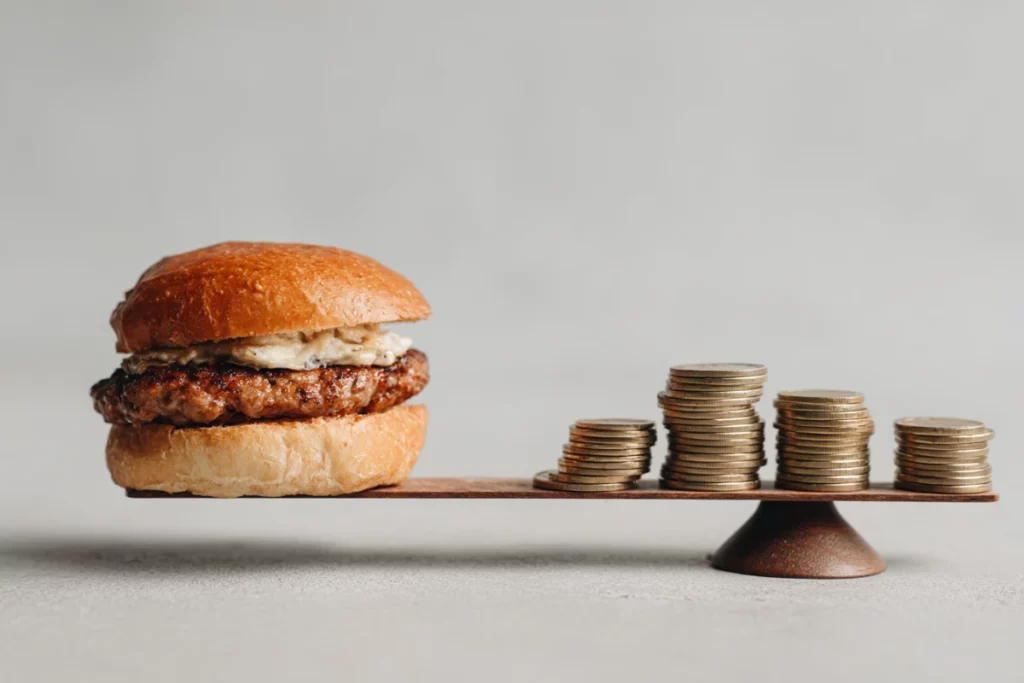
Segmented pricing works particularly well, with discounts encouraging visits during slower periods and modest surcharges at peak times that regulars still accept. Special offers and bundled meals can further lift sales volume without eroding overall margin. Transparent communication about the quality of ingredients or portion sizes helps guests appreciate the value behind any price updates.
Optimizing labor controls and streamlining operations
Labor typically represents one of the largest expenses for restaurants, so optimizing schedules and limiting overtime delivers significant savings over time. Using forecasting tools based on reservations and historical traffic patterns aligns staffing levels with expected demand, making payroll lean yet effective.
Addressing small inefficiencies frees staff to concentrate on service instead of scrambling behind the scenes. Cross-training employees enables them to handle multiple roles, boosting flexibility without extra hires. Clear workflow routines reduce confusion during rushes and support faster, smoother service that pleases guests and conserves resources. Streamlining operations by reviewing each step exposes bottlenecks and redundant tasks.
Adopting technology and automation
Embracing technology adoption and automation accelerates repetitive processes like order entry, payment handling, and kitchen routing. Automated reservation systems decrease no-shows and maximize table turnover. Self-order kiosks and mobile apps add convenience for guests and ease the workload for front-of-house staff, especially at busy times.
Automated inventory tracking, combined with real-time stock alerts, prevents shortages from turning into costly emergencies. Integrating point-of-sale data with analytics software provides actionable insights, guiding continuous improvements week after week. The upfront investment in these technologies quickly pays off through waste reduction and increased staff productivity.
Tightening stock and inventory management
Strong stock and inventory management ensures supplies are used efficiently and not wasted. Careful recording of deliveries, shelf life monitoring, and setting par levels prevent both over-ordering and last-minute shortages. Applying first-in, first-out (FIFO) principles ensures fresher ingredients reach the table, minimizing waste.
Frequent audits detect discrepancies between recorded usage and actual counts, discouraging internal losses. Well-organized storage saves time searching for products, while inventory checks reveal items requiring many rarely used ingredients a sign to consider simplifying recipes or consolidating orders for better pricing.
Embracing marketing strategies and customer loyalty programs
Thoughtfully crafted marketing strategies shine a spotlight on what makes a restaurant unique, whether it’s local sourcing, creative flavors, or standout deals. Social media campaigns and partnerships with community events maintain steady visibility and attract word-of-mouth referrals. Email newsletters keep previous guests engaged, promoting new offerings and seasonal specials to encourage repeat visits throughout the year.

Launching customer loyalty programs rewards frequent patrons, offering incentives that drive return visits. Whether using punch cards or digital apps, guests can earn points towards freebies or discounts as they spend, strengthening emotional connections. A strong brand identity, paired with visible appreciation for loyal guests, builds lasting relationships and steady revenue.
Diversifying revenue streams to stabilize income
One clear lesson from recent years is the value of diversifying a restaurant’s sources of income. Adding catering services, delivery, or branded retail products expands reach and reduces dependence on dine-in business alone. Pop-up experiences and cooking workshops create additional engagement and excitement around the brand.
Diversification does not mean stretching operations too thin. Instead, leveraging existing staff skills or collaborating with neighboring businesses creates synergy without straining core services. When planned thoughtfully, these side ventures uphold quality standards while providing financial stability during slower periods.
- Highlight high-margin items using targeted menu design
- Adjust pricing based on peak periods and cost changes
- Forecast staffing needs to cut unnecessary labor costs
- Automate ordering and inventory to minimize errors
- Reward repeat customers with flexible loyalty incentives
Frequently asked questions about boosting restaurant profit margins in 2026
What is menu engineering and why does it matter for restaurant profits?
- Higher average ticket size
- Reduced food waste
- Smoother inventory planning
How can waste reduction help a restaurant save money?
- Lower supply expenses
- Better environmental footprint
- More accurate purchasing decisions
Which technology upgrades give the highest ROI for restaurants?
- Point-of-sale integrations
- Self-service ordering kiosks
- Inventory and scheduling software
| Upgrade type | Average payback period (months) |
|---|---|
| Inventory automation | 6–12 |
| Kiosk ordering | 8–16 |
| Digital scheduling | 4–10 |
How do loyalty programs influence restaurant sales and margins?
- Boosted customer retention
- Easier promotion targeting
- Greater lifetime guest value