
Mastering menu engineering can have a dramatic effect on a restaurant’s bottom line, yet the principles often appear intimidating for both newcomers and even experienced managers. With competition intensifying and margins shrinking, understanding how to maximize each dish’s profitability has become more essential than ever. This easy guide unpacks core concepts from contribution margin to sales mix analysis, while providing practical steps and encouraging operators to challenge outdated assumptions.
What does menu engineering really mean?
Menu engineering is the art and science of analyzing and adjusting a restaurant’s offerings to enhance both profitability and performance. It goes well beyond simply listing dishes or setting prices. A thorough approach requires careful examination of ingredient costs, portion sizes, and the popularity of each option to uncover hidden revenue opportunities. At its heart, this process merges data-driven strategy with intuition, ensuring every adjustment makes sense for guests as well as the business.
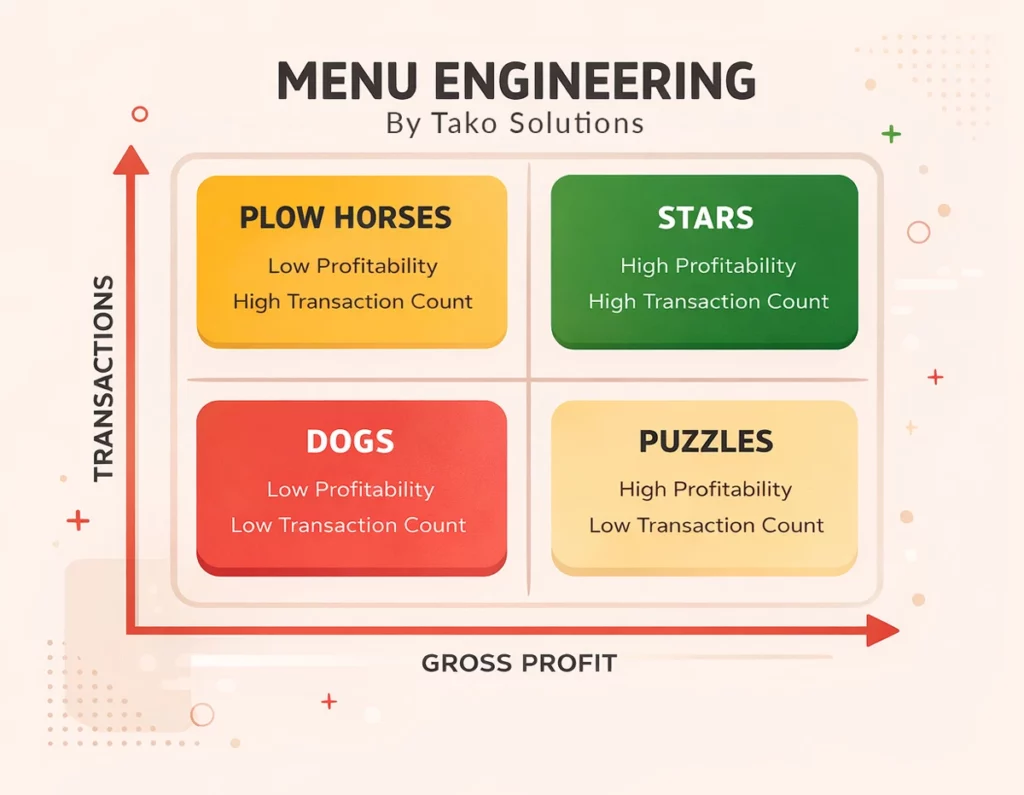
Insights into customer preferences, the effects of daily specials, and the impact of seasonal ingredients all play key roles. By regularly reviewing menu items and taking a targeted approach, restaurants can quickly respond to changing market trends. In the end, menu design becomes a powerful tool rather than a routine task.
Key financial metrics every restaurant should know
Conversations about profitability inevitably involve terms like gross profit margin and contribution margin. Understanding these metrics is crucial for sound decision-making and effective menu analysis.
- Gross profit margin: Indicates the percentage of profit remaining after deducting direct food costs from the selling price.
- Contribution margin: Shows the precise amount left (in currency) after covering the cost of preparing a specific dish, before other expenses are considered.
- Sales mix: Reveals how revenue is distributed among menu categories or individual dishes. For example, if half of total sales come from steak, that insight guides which adjustments could be most beneficial.
Identifying which dishes actually drive profits, not just those with high sales volumes often leads to surprising conclusions. Sometimes, an item with a lower gross margin may deliver a better absolute return once actual purchasing patterns are analyzed.
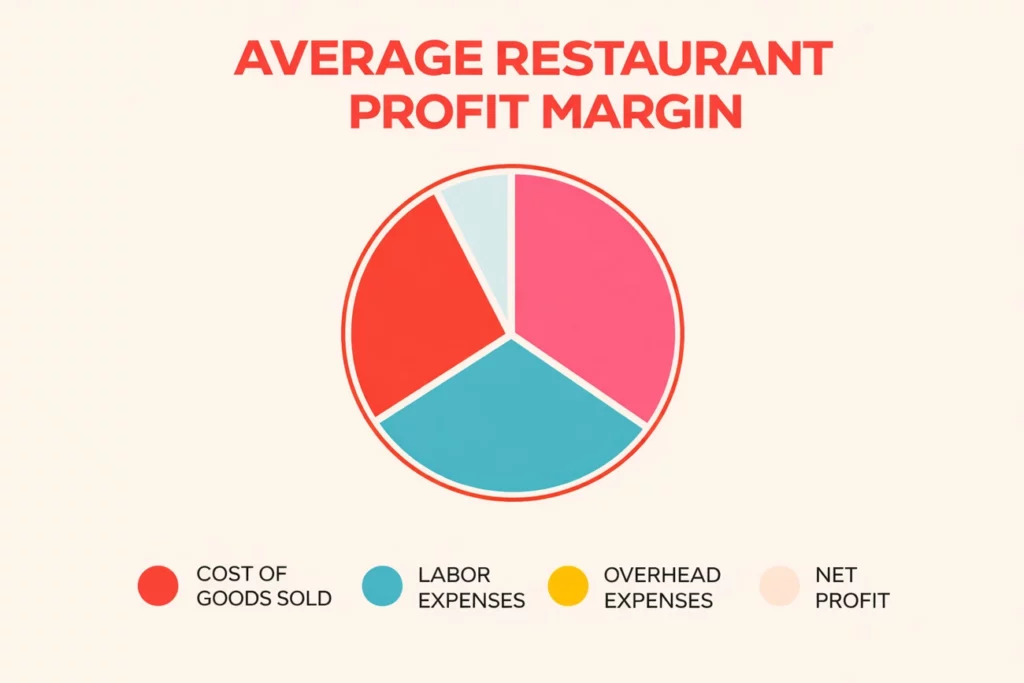
Many restaurateurs fall into the trap of focusing solely on items with attractive margins, only to find their best sellers generate less overall profit because factors like popularity or portioning were overlooked.
Common pitfalls when assessing a menu
Several common missteps routinely undermine efforts, limiting potential gains. Successfully avoiding these hazards results in healthier operations and greater customer satisfaction.
Why grouping all dishes together can mislead?
Some restaurant professionals make the error of comparing every dish side by side, regardless of category. Imagine evaluating starters against mains or small plates versus desserts—it rarely produces meaningful insights. Each group attracts unique spending habits, customer expectations, and optimal profit targets, so comparisons must remain within appropriate categories.
Building separate matrices for appetizers, entrees, and sides provides clearer perspectives. Nachos may never compete directly with ribeye steak, but each holds value within its own context.
The hidden influence of sales mix dynamics
Menu profitability shifts depending on daypart or even time of week. Focusing exclusively on theoretical average margins ignores real-world influences such as lunch rushes or dinner crowds. Monitoring when and how each category performs uncovers bundling opportunities and signals when pricing strategies need adjustment, especially if slow periods consistently erode profits.
Diving deeper into sales data helps spot issues early, such as a popular item dragging down the entire menu’s contribution margin.
Five essential steps for successful menu reengineering
Restaurants can benefit greatly by following structured, sequential actions tailored to their context. Here is a straightforward path to successful menu optimization.
- Set a target contribution margin per guest, based on realistic spending and traffic expectations.
- Estimate either average ticket values by menu category or determine typical purchases within each segment (such as beverage-to-entree ratios).
- Establish feasible average contribution margin goals for each section—a main course might justify a higher target compared to sides or desserts.
- Review current menu prices and ingredient costs, then adjust as needed to align with profit objectives—possibly through modest price increases or revised offerings.
- Analyze how each dish contributes to the desired sales mix, and be prepared to rebalance if a popular item reduces the overall margin.
Consistency is key, regularly cycling through these steps keeps results fresh, avoids complacency, and ensures operators do not leave money behind. Digital tools capable of tracking these metrics and simplifying complex data further streamline the journey.
How technology can support modern menu engineering?
Digitization has introduced valuable resources for teams aiming to build more profitable menus. Applications featuring detailed reporting and integrated point-of-sale capabilities facilitate rapid calculations and clear visualization of sales mix patterns. These solutions remove much of the guesswork, enabling quick identification of combinations or promotions that yield optimal results.
Manual spreadsheets or poorly configured inventory systems frequently result in errors—sometimes leaving items without accurate cost values. Reliable software platforms protect against such mistakes by drawing directly from up-to-date sales records and kitchen inventories, minimizing oversight.
Among the new generation of technological allies, the Tako solutions app stands out for its ability to simplify even the most complex menu analyses. This application calculates contribution margins automatically, tracks category performance over time, and offers actionable suggestions in real time. Restaurant managers gain instant clarity regarding which changes are effective and where risks may lie.
By seamlessly connecting order histories, cost structures, and customer buying patterns, Tako solutions app empowers staff to balance profitability with guest satisfaction. Decisions rooted in data become the norm, fostering continuous progress across locations and making ongoing menu engineering accessible to any operation.
Choosing the right path for effective menu optimization
Success today favors those who embrace analysis and question long-standing habits. True menu engineering is built on regular review, willingness to adapt, and thoughtful segmentation of data. Harnessing user-friendly digital tools lightens much of the analytical load, allowing staff to focus on creativity and customer experience instead of endless spreadsheets.
Transforming basic menu lists into strategic assets demands patience, frequent reassessment, and a balanced view of both numbers and client needs. The payoff? Menus that delight diners while ensuring sustainable growth for the business—a win-win scenario for the contemporary restaurant landscape.