
There is no doubt that artificial intelligence keeps transforming every aspect of business, and restaurants are among the biggest beneficiaries. In the fast-paced hospitality industry, where hundreds of invoices flow each month, handling paperwork and capturing every supplier line item can quickly become overwhelming. By 2027, restaurants looking to streamline their admin processes have incredible options thanks to ai-powered automation, especially when it comes to invoice scanning. But with so many solutions available, how can a restaurant choose one that actually fits its needs and delivers real results? This article breaks down the critical features to consider when searching for the best ai invoice scanning solution for restaurants in 2027.
Restaurants demand specific solutions: high staff turnover, diverse suppliers, ever-changing menus, and constant pressure on margins all make invoice management both crucial and complex. While traditional software helped for years, today’s AI-driven technologies take things much further. Now it is possible to move towards true zero-touch accounts payable (ap), improving error reduction and accuracy, increasing efficiency, and boosting financial visibility and management, all without getting buried in manual data entry elimination.
Why are restaurants adopting ai invoice scanning?
Restaurants face unique challenges compared to other business types. Their reliance on multiple vendors, fluctuating order quantities, seasonal ingredients, and frequent price changes mean invoice volumes and complexity keep growing each year. The sheer volume and diversity of paper and digital invoices often overwhelm even experienced bookkeepers.
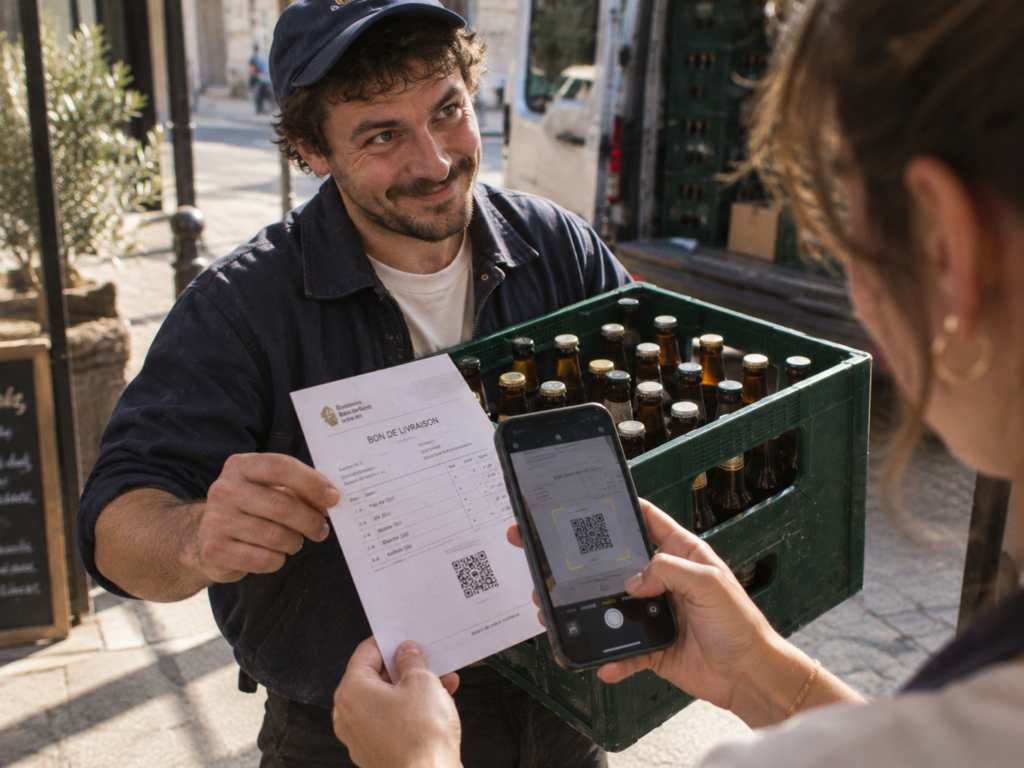
That is precisely where ai-powered automation finds its calling. Embracing intelligent invoice scanning systems allows restaurants not only to save time but also radically improve their ability to stay competitive. Beyond streamlining operations, these tools support smarter decisions based on real-time data, enabling better negotiation with suppliers and more accurate budget forecasting.
Core features to expect from ai invoice scanning in 2027
What separates average AI-powered tools from the most advanced platforms available in 2027? Several key features combine to ensure smooth, efficient, and error-free invoice processing, tailored specifically for busy dining establishments. Here are the core criteria worth exploring when reviewing different solutions.
It is no longer enough to convert an image into text; smarter invoice data extraction, compatibility with messy or handwritten layouts, and integration with dashboard and analytics are becoming standard expectations. Let us delve deeper into the essential components.
Advanced invoice data extraction and recognition
Modern AI scanners must excel at recognizing both suppliers and individual line items on invoices, even those presented in non-standard formats or languages. A quality tool leverages deep learning to distinguish between purchased goods, delivery costs, tax rates, and discounts across various templates. That means fewer manual corrections and far less risk of missing vital details during data capture.
Advanced solutions should also work seamlessly with digital, scanned paper, or even mobile-captured images, supporting maximum format flexibility for busy kitchens or managers on the go. Consistency is needed whether the document arrives by email, fax, or phone camera.
Maximum format flexibility and compatibility
Given the variety of suppliers and regional invoice regulations, format flexibility and compatibility have never been more important. A robust AI invoice scanner in 2027 must recognize and decode PDFs, photos, scanned receipts, and electronic invoices. Compatibility with diverse POS and accounting systems ensures that extracted invoice data flows directly into preferred bookkeeping tools, simplifying monthly reconciliations.
Restaurants frequently switch vendors or add new items as menus and customer preferences change. That is why the best tools continually learn and adapt, adjusting to new suppliers or exotic food sources without requiring complex reconfigurations.
Automating workflow: dashboard and exception handling explained
Merely extracting invoice data is not enough if the resulting process still involves endless spreadsheet manipulations or chasing team members for approvals. The leading ai-powered automation systems integrate seamlessly into everyday workflows and alert finance teams only when genuine problems arise.
For any restaurant owner or manager, having access to user-friendly dashboards and analytics tools makes all the difference. Real-time overviews of spending by category or vendor allow quick identification of cost overruns, duplicate payments, or inconsistent pricing.
User-friendly dashboard and advanced analytics
The visibility and detailed breakdowns offered by modern dashboards give operators precise control over their expenditures. Instead of sorting through piles of paperwork, managers can spot trends, proactively manage cash flow, and fine-tune menu pricing using actionable insights generated automatically by the system.
Analytics capabilities turn raw invoice data into practical information. Visualizations of supplier performance, average payment timelines, or recurring discrepancies help drive informed decision-making, setting top-performing restaurants apart from the competition.
Exception handling and zero-touch ap
Sometimes, irregularities or mismatches between contract prices and actual charges sneak through. High-end AI systems now flag exceptions automatically, minimizing human error and assisting with regulatory audits. Having every suspect transaction highlighted shortens review times and reduces costly mistakes.
Thanks to these innovations, some restaurants will achieve nearly zero-touch accounts payable (ap) by 2027. Manual data entry elimination becomes realistic, freeing staff to focus on customer service and culinary creativity rather than wrestling with receipts and spreadsheets.
Error reduction and accuracy as a benchmark
Few industries suffer more from minor mistakes than hospitality, where slim profit margins magnify the impact of every mis-keyed number or missed credit. Error reduction and accuracy are the twin pillars on which ai invoice scanning systems build their value.
Compared to manual processes, automated data extraction and reconciliation slash the number of trivial errors, from mistyped ingredient codes to double-booking of invoices, making reconciliation smoother at month end. Over time, this leads directly to higher confidence in reported numbers and stronger supplier relationships.
Simplifying supplier and line item recognition
Supplier identification and line-by-line comparison present significant technical hurdles. The latest AI engines use a mix of OCR and natural language processing to extract every detail, pasting grocery lists, produce orders, dairy line items, and service charges exactly where they belong.
With built-in supplier and line item recognition, finance staff waste less time clarifying ambiguous entries or manually splitting joint invoices among multiple departments. Payments go out faster, negotiations get smarter, and unexpected shortages are easier to trace back to their source.
Financial visibility and management for growth-minded restaurants
Real-time monitoring of outgoing payments offers a major edge. Financial visibility allows restaurant owners to troubleshoot problems as they emerge, not weeks after the fact. Reliable management of AP cycles helps maintain healthy cash flow and frees up capital to invest in strategic areas like marketing, décor upgrades, or staff training.
Having granular insight into recurrent expenses also strengthens compliance and audit workflows, reducing exposure to risk and ensuring clean books come tax season. When every euro or dollar spent is instantly accessible via a single analytics dashboard, margin improvement becomes an achievable target instead of wishful thinking.
The role of exception handling and manual intervention
Despite huge leaps forward, not every incoming invoice matches pre-set patterns or defined rules. Sometimes special events, promotional bundles, or vendor-specific quirks result in odd-looking documents. Here, reliable exception handling and flagging mechanisms step in, ensuring unusual transactions get proper oversight without clogging up the main pipeline.
Once flagged, these anomalies let finance teams intervene only where genuinely necessary, keeping the rest of the approval process fully automated. Timely detection of fraudulent invoices or contractual variations adds another layer of security to already robust protocols.
Manual data entry elimination: the ultimate productivity leap
No restaurateur enjoys spending evenings buried in paperwork or hovering over data-entry screens, double-checking totals. Eliminating manual data entry using smart ai-powered automation not only saves valuable time but drastically improves team morale.
Freed from tedious chores, managers and accountants shift attention to higher-value activities: from negotiating better contracts to orchestrating seasonal promotions or staff incentives. It is this shift towards meaningful work that drives digital transformation success stories in hospitality.
How Tako Ai invoice scanning makes the difference
While the market continues to expand rapidly, certain tools stand out due to their innovative approaches. Tako Ai sets itself apart with its advanced ai-powered automation, leveraging enhanced learning algorithms to further minimize false positives and adapt rapidly to niche supplier invoice styles that might trip up lesser systems.
Tako Ai combines rapid deployment with ongoing optimization, ensuring that the invoice data extraction process gets smarter and more accurate over time. Regular updates introduce new features and improvements, while dedicated support teams guarantee a smooth setup and integration. For restaurants, this translates to less time spent correcting errors, superior financial visibility and management, and more bandwidth for delivering exceptional guest experiences.
Frequently asked questions about ai invoice scanning for restaurants
How does AI invoice scanning handle handwritten or poorly scanned documents?
Advanced AI invoice scanning tools in 2027 use sophisticated optical character recognition (OCR) combined with machine learning. These technologies decipher and accurately extract information, even from handwritten notes or poorly scanned images. Efficiency increases thanks to continuous model improvements, which reduce manual review requirements for difficult cases.
- Automatic adjustment for lighting and skewed angles
- Pattern recognition for diverse handwriting styles
- Review workflow for low-confidence extractions
Will AI invoice scanning replace all manual invoice processing tasks?
By 2027, most manual data entry and routine matching tasks are likely automated in restaurants, largely eliminating repetitive admin work. Still, human oversight remains crucial for exceptions, suspicious invoices, or special deals that deviate from typical patterns. AI aims for zero-touch accounts payable (ap) but retains flexibility for nuanced situations.
- Data extraction and validation automated
- Flagging of complex or high-risk cases for human review
- Payment release with minimal oversight for standard cases
Which key metrics should restaurants monitor using invoice scanning analytics?
To harness financial visibility and management benefits, restaurants should track metrics such as total expenditure by supplier, frequency of exceptions, average invoice cycle times, and savings from early payment discounts. Detailed dashboards visualize trends, making budgeting and forecasting significantly easier.
- Total spend per vendor
- Invoice approval duration
- Number and cause of exception flags
- Impact of invoice errors on payment timing
| Metric | Impact |
|---|---|
| Approval delay | Cash flow planning |
| Duplicate invoices | Cost control |
How does format flexibility affect future-proofing in restaurant invoice management?
Format flexibility ensures that any new supplier, template, or document type can be processed without major adjustments. With changing regulations and evolving supplier ecosystems, AI adaptability shields restaurants from compatibility headaches and prevents costly workflow interruptions.
- Seamless onboarding of new vendors
- Support for paper, PDF, photo, and e-invoice formats
- Integration with third-party accounting packages