
Managing inventory levels is one of those behind-the-scenes tasks that often determines whether a restaurant thrives or simply survives. While excellent food and friendly service sit at the core, smart inventory planning leads to improved profits, less waste, and smoother operations. Finding the right amount of inventory for a restaurant means blending proven benchmarks with ongoing adjustments tailored to each establishment’s unique style, size, and volume.
There is no universal formula that fits every restaurant, but understanding key principles, and learning to read signals from both sales and stock sheets, sets up any operation for steady success. This guide explores practical strategies, reference points, and actionable tips drawn from industry experience, all designed to help track, adjust, and benchmark the ideal days of inventory on hand.
Why does proper restaurant inventory sizing matter?
Most chefs focus on flavor combinations, yet balancing the right amount of supplies in the storeroom brings its own kind of artistry. Carrying excess stock can increase storage costs, encourage spoilage, or tie up cash in slow-moving goods, while lean inventories risk menu shortages or last-minute supplier price hikes. Here is why dialing in inventory sizing matters so much.
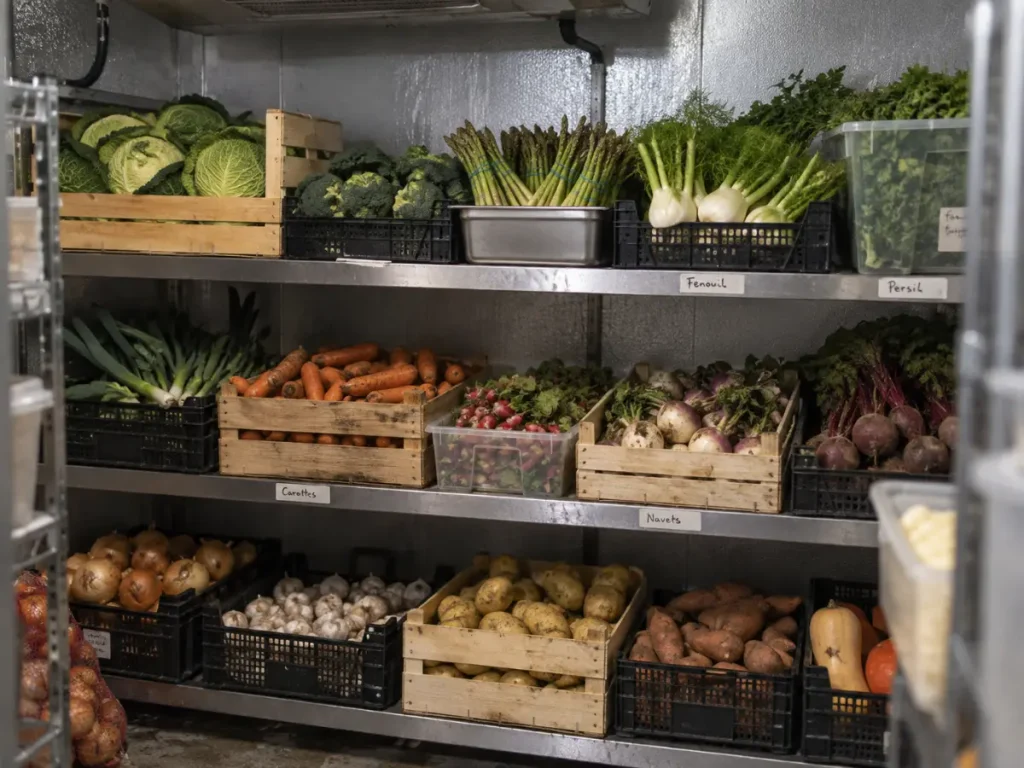
Restaurants that manage their inventory well see benefits beyond cost savings: they free up working capital, reduce stress, improve kitchen efficiency, and elevate customer satisfaction. Running lean without running out becomes achievable with the right framework.
Key concepts behind setting optimal inventory levels
Getting a handle on inventory sizing begins with a few basic terms every manager should know or regularly revisit. Not every location will land on precisely the same numbers, but common guidelines and benchmarks provide an anchor for daily decisions.
Using standard measures like par levels and monitoring metrics such as inventory turnover rate forms a strong foundation. Each concept guides concrete decisions about ordering frequency and how to protect against both overstocking and running empty.
What is ‘days of inventory on hand’?
One of the easiest ways to monitor inventory health is tracking ‘days of inventory on hand’ (DOH). This number indicates how many days, on average, current stock would last if sales stayed at their recent pace. Calculating DOH provides clear insight into both overbuying and undersupply risks.
For most restaurants, maintaining between 7 and 14 days of inventory on hand works well, though fast casual or high-turnover concepts often aim for 5 to 10 days. Monitoring this metric weekly helps keep operations proactive instead of reactive.
How do par levels make reordering simpler?
Par levels are the minimum expected stock for each product type based on sales patterns and delivery cycles. Setting these “just enough” targets keeps kitchens moving smoothly, avoiding panic orders or excessive bulk buys.
Reviewing par levels quarterly makes sense since busy seasons, menu changes, and vendor performance can shift needs significantly. Adjustments also reflect trends in repeat business, special event bookings, or new menu launches.
Benchmarking restaurant inventory by category
No chef treats fine wine the same way as fresh lettuce, and the same logic applies when calculating inventory needs by product type. Segmenting stock by type, such as food, liquor, and beer, provides clarity for both ordering and cost control.
Using separate benchmarks and routines for wet and dry goods reveals where losses, shrinkage, or unnoticed inventory variance might eat into margins. Efficient systems recognize the different shelf lives, safe storage constraints, and supply chain dynamics associated with each category.
Food inventory: freshness and frequency
Perishable items require frequent deliveries and strict rotation. Most successful operations keep three to seven days’ worth of high-turnover perishables, think produce, dairy, and meats. Dry or canned goods allow more margin, sometimes stretching two weeks or longer.
Tracking actual usage week by week, compared to purchase amounts, makes it easy to spot mismatches that often point to hidden waste, theft, or incorrect portion control. Weekly counts typically suffice for staple items, while busy kitchens often perform daily checks for high-value proteins.
Liquor, beer, and bar stock: controlling pours and counts
Inventory management best practices differ slightly for bar products. Liquors have longer shelf lives, so carrying ten to twenty-one days of supply is common. Beer, especially draft, prefers shorter windows due to freshness concerns. Most bars reconcile bottle and keg counts at least once per week.
Inventory variance often arises from mispours, unrecorded staff drinks, or bartenders overlooking standard measuring protocols. Periodic audits and precise tracking combat unnecessary loss, boosting profit per pour.
Building an effective inventory management routine
Establishing order in storage rooms is not glamorous, but it pays off. Adopting simple organizational habits, paired with technology or periodic review, puts managers ahead of costly surprises. Consistency in counting and documentation means fewer disputes and faster decision-making during dinner rushes.
Some operators manage everything with spreadsheets, while others invest in specialized inventory management tools or software. The best approach matches existing workflows and remains user-friendly for whoever completes regular counts.
Choosing the right inventory counting frequency
Frequency of ordering and counting depends on venue size, menu complexity, and product perishability. Full-service restaurants typically conduct comprehensive inventory counts every week, with daily spot checks on high-ticket or fast-moving items.
Fine-dining kitchens, where top-shelf ingredients come at a premium, might go further by auditing select stock after every dinner shift. Fast casual brands sometimes opt for biweekly reviews, relying more heavily on real-time sales integrations provided by digital POS systems.
Harnessing inventory management tools and software
A growing number of restaurants turn to dedicated inventory management platforms for better accuracy and convenience. These tools track depletion rates, automate reorder alerts, flag unusual discrepancies, and integrate smoothly with recipe costing systems.
While early versions required heavy data entry, newer options use barcode scanning, mobile apps, and integration with suppliers to save hours each month. For small venues, even basic templates can streamline paperwork, bringing discipline to the restocking process.
Reducing waste and improving food cost control
Waste tracking has become vital as ingredient costs rise and sustainability gains importance. The link between inventory, waste reduction, and food cost control cannot be overstated: shrinking the gap between purchased and consumed stock directly raises margins.
Every dollar spent that fails to reach a customer’s plate (because of spoilage, trimming losses, or mis-measured recipes) is money taken straight from potential profit. Tightening systems supports both a greener footprint and healthier monthly financials.
Simple methods for restaurant waste tracking
Documenting each significant loss, whether burned bread or broken eggs, builds awareness and accountability across the team. Recording weight, cause, and value helps spot recurring issues or training gaps quickly.
Setting up a simple waste log encourages honest reporting, especially if managers periodically review outcomes without assigning blame. Over time, these logs highlight easy wins, like adjusting prep routines or tweaking order quantities.
Using inventory variance data for smarter purchasing
Comparing expected versus actual usage uncovers the root causes of inventory variance. Regular reconciliation prevents small errors from snowballing over several cycles.
Analyzing trends across inventory types, like liquor, beer, or fresh produce, can reveal seasonal demand spikes or shifts in popular menu items. Smart operators adjust purchase forecasts rapidly, avoiding both stockouts and expired surpluses.
Tips for customizing benchmarks to fit any restaurant
Generic formulas offer a reliable starting point, but tailoring benchmarks to match individual menus, customer flow, and store size yields the best results. Some venues emphasize local sourcing with smaller but more frequent deliveries, while large independents leverage buying power to secure favorable pricing in bulk.
Evaluating variables, including seasonality, anticipated promotions, vendor lead times, and kitchen storage space, lets restaurants tweak inventory sizing dynamically throughout the year.
- Track days of inventory on hand by core category monthly.
- Review par levels at least every quarter.
- Compare inventory turnover rates against similar-sized competitors.
- Use regular waste logs and variance reports to steer ordering adjustments.
- Pilot new tools or spreadsheet templates for specific product types.
Frequently asked questions about restaurant inventory benchmarks
How many days of inventory on hand should most restaurants maintain?
- Perishables: 3 to 7 days
- Dry/canned: 10 to 14 days
- Liquor: 14 to 21 days
What are par levels and why should they be updated?
How often should restaurant inventory be counted?
- General food items: once per week
- Bar/liquor: once per week or daily for high-value
- High-theft/critical: daily spot checks
How can inventory management tools support food cost control?
| Function | Benefit |
|---|---|
| Automated tracking | Faster error detection |
| Reorder alerts | Prevents stockouts |
| Variance analysis | Reduces hidden waste |